The Class Athlete
The Class Athlete Podcast is hosted by the founder of The Class Athlete youth sports athletic league, Roy Bova along with Co-host Patrick Sirmeyer. Roy has over 20 years of experience in running and operating youth sports leagues where he and his team have placed emphasis on the devlopment of children to grow and become individuals of strong character, discipline and athletic abilities. In this podcast series, Roy and Patrick interview coaches, parents and former athletes to dig into the details of what is take to raise a first class child through sports.
Listen on:



Episodes
Sep 5, 2024
Sep 5, 2024
51 min
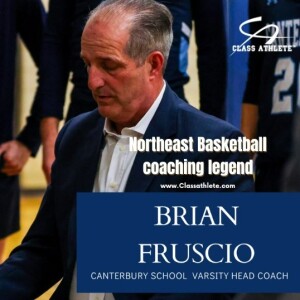
summaryIn this episode, Roy and Patrick interview Brian Fruscio, a coach at Canterbury School. They discuss the impact of older athletes on younger ones, the importance of role models, and the influence of coaches in youth sports. Brian shares stories about his coaching career and the lessons he instills in his players through his cardinal rules. He also talks about his experience coaching his son and the strong family ties in his hometown. In this conversation, Brian discusses the importance of trust and building relationships with young athletes. He emphasizes the need to earn the trust of players before telling them the truth and offers advice for youth sports coaches and parents. Brian also shares his experience coaching players who have gone on to play collegiate athletics and highlights the importance of sending players to coaches who develop them both athletically and personally. The conversation ends with a trivia question about the longest winning streak in UConn women's basketball history.
keywords: youth sports, role models, coaching, Canterbury School, Albany Academy, cardinal rules, family ties, trust, relationships, youth sports, coaching, parents, collegiate athletics, UConn women's basketball
takeaways
Young athletes look up to older athletes as role models and are influenced by their behavior and performance.
Coaches play a significant role in shaping the lives of young athletes and instilling important values and skills.
Having strong family ties and a supportive community can contribute to the success of athletes.
Setting clear rules and expectations, such as Brian's cardinal rules, can help guide athletes and create a positive team culture.
Mental health is an important aspect of sports, and coaches should prioritize the well-being of their players. Building trust with young athletes is crucial before telling them the truth.
Coaches should take the time to get to know their players and earn their trust.
Parents should trust the coaches they put their children with.
Coaches play a role in disciplining children and preparing them for future challenges.
Sending players to coaches who develop them both athletically and personally is important.
The UConn women's basketball team had a winning streak of 111 games, which was broken by Mississippi State in 2017.
titles
Prioritizing Mental Health in Sports
The Impact of Role Models in Youth Sports Advice for Youth Sports Coaches and Parents
Developing Athletes Both Athletically and Personally
Sound Bites
"There's a youth kid out there who is looking at how you act, how you carry yourself, what you do, and they want to be the next you."
"I'm a huge baseball fan and I could take my son to go see, you know, a pro baseball game anytime. But when I take him to UCF in his mind, those guys are pros."
"All three of them were from one of the leads. So they understood us as one of the kids."
"We get a face touch in their dorm that night, text that night, for every teammate, managers included."
"I had a little cheat sheet so I can look down, that's sorta, I don't forget it on game day in practice, and I can promise you that."
"Brian, you're the first person I'm gonna say this to on any podcast, you legitimately helped me as a coach."
Chapters
00:00The Influence of Older Athletes and Role Models
06:39The Impact of Coaches in Youth Sports
17:10Trust and Accountability in Building Successful Teams
19:17The Importance of Positive Team Dynamics
27:11The Cardinal Rules of a Sports Program
32:46Building Trust and Getting to Know Players
35:29The Role of Parents in Youth Sports
36:28Discipline and Accountability in Player Development
43:06Prioritizing Mental Health in Youth Sports
44:41Effective Coaching Strategies
45:57Developing Players On and Off the Court
51:40The class athlete outro music.mp3

Aug 30, 2024
Aug 30, 2024
32 min
summary
In this episode, Patrick and Roy discuss their recent experiences with summer sports leagues and the upcoming flag football and soccer seasons. They talk about the challenges of running a league and the long hours involved. They also discuss the importance of good sportsmanship and positive coaching. They mention the success of some teams in the summer leagues and the upcoming parade for the Lake Mary Little League team that won the Little League World Series. They also mention the support they receive from sponsors and the impact it has on the league. They end the episode by inviting listeners to be guests on the podcast if they are involved in youth sports.
keywords
summer sports leagues, flag football, soccer, challenges, running a league, long hours, sportsmanship, positive coaching, team success, sponsors, youth sports
takeaways
Running a sports league requires long hours and dedication
Good sportsmanship and positive coaching are important
Support from sponsors is crucial for the success of the league
The Lake Mary Little League team's victory in the World Series is a source of pride
Listeners are invited to be guests on the podcast if they are involved in youth sports
titles
The Impact of Sponsors on the League
The Challenges of Running a Sports League
Sound Bites
"Running a league is almost a 24-hour job"
"Good sportsmanship is above anything in youth sports"
"The Lake Mary Little League team's victory was the first for a Florida team in the World Series"
Chapters
00:00Introduction and Summer Sports Leagues
13:41The Challenges of Running a Sports League
19:41The Importance of Sportsmanship and Positive Coaching
26:20The Impact of Sponsors on the League
28:10The Lake Mary Little League World Series Victory
31:20Inviting Listeners to Be Guests on the Podcast

Aug 14, 2024
Aug 14, 2024
34 min
Summary
Glenn Smith, a track and field coach and former Canadian national champion, joins the Class Athlete Podcast. He shares his background in track and field, including his training experiences and coaching career. Glenn emphasizes the importance of exposing children to various sports and allowing them to find their passion. He discusses the challenges and opportunities in youth track and field in Central Florida, highlighting the need for more track clubs and accessible facilities. The conversation also touches on coaching philosophy, creating a positive and fun environment, and preventing burnout in athletes. Glenn shares his personal best times in the 100 and 200 meters and the impact of technology on current records. The episode concludes with trivia questions about Olympic records in the 100 meters.
Keywords
track and field, coaching, youth sports, training, athlete development, coaching philosophy, burnout, Olympic records
Takeaways
Expose children to a variety of sports to help them discover their interests and talents.
Create a positive and fun environment in youth sports to foster enjoyment and engagement.
Individualize coaching approaches to meet the needs and goals of each athlete.
Balance training and rest periods to prevent burnout and optimize performance.
Technology advancements can impact athletic records and performance.
Get to know each athlete personally and show that you care about their well-being and progress.
Youth track and field in Central Florida would benefit from more track clubs and accessible facilities.
Titles
The Impact of Technology on Track and Field Records
Exploring the World of Track and Field with Glenn Smith
Sound Bites
"Expose them to a lot of different sports, find out what they're good at, what they enjoy."
"Just showing that you care, it doesn't have to be that much."
"Specializing in track and field is better to start a little bit older."
Chapters
00:00Introduction and Background
05:25Opportunities in Youth Track and Field
08:08Coaching Philosophy for Youth Sports
10:42The Importance of Movement and Concentration
15:14Coaching Individuals vs. Team Environment
18:08Specializing in Track and Field
20:09Personal Best Times in the 100 and 200 Meters
25:45Preventing Burnout in Track and Field
29:03Obsessiveness in Track and Field Athletes
31:14Trivia: Olympic Records in the 100 Meters
Aug 7, 2024
Aug 7, 2024
30 min
Summary
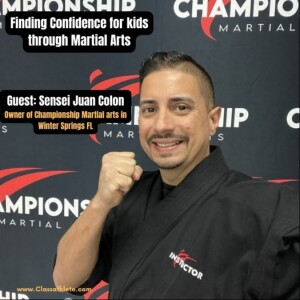
Sensei Juan Colon of Championship Martial Arts shares his journey in the martial arts industry and the impact it has on children's lives. He emphasizes the importance of building confidence and self-esteem through martial arts training. Sensei Juan also discusses the value of setting goals and the positive effects of martial arts on overall athleticism. He highlights the joy of seeing his students become instructors and give back to the community. The conversation also touches on how martial arts can benefit special needs children and the importance of treating them the same as other students. Trivia questions about famous athletes with martial arts backgrounds and the origin of the term 'martial arts' are also discussed.
Keywords
martial arts, confidence, self-esteem, goals, athleticism, special needs, instructors, community, famous athletes, origin
Takeaways
Martial arts can build confidence and self-esteem in children, helping them overcome challenges and develop a positive self-image.
Setting goals and achieving them through martial arts training can boost confidence and provide a sense of accomplishment.
Martial arts can enhance overall athleticism, improving balance, coordination, and strength.
Treating special needs children the same as other students in martial arts classes can help them develop confidence and feel included.
Seeing students become instructors and give back to the community is a rewarding experience for martial arts instructors.
Famous athletes like Phil Mickelson and Clay Matthews have attributed their success in their respective sports to their martial arts training.
The term 'martial arts' is derived from the Latin term 'Arts of Mars,' referring to the Roman god of war.
Titles
Uncovering the Origin of the Term 'Martial Arts'
Famous Athletes and Their Martial Arts Backgrounds
Sound Bites
"I can see a kid, really shy kid that barely knows how to interact with other people... and going through those struggles... they just grow, man. And that for me, that's what he does it for me."
"There is no better confidence than self-defense confidence. When you know that you can defend yourself, not that you have to go and use it."
"When I get to see my instructors get to impact other people's life... now I get to see that, you know, so it's awesome."
Chapters
00:00Introduction and Background
03:35Impact of Martial Arts on Children
05:39Value of Martial Arts for Young Students
09:24Setting Goals and Achieving Success
12:18From Students to Instructors
15:55Approaching Special Needs Children
19:05Repetition and Progression in Martial Arts
25:51Trivia and Conclusion
29:49The class athlete outro music.mp3

Aug 2, 2024
Aug 2, 2024
52 min
SummaryBaylin Trujillo, a former Division I quarterback and private quarterback coach, shares his journey and insights on training young athletes. He emphasizes the importance of starting sports at a young age and playing multiple sports to develop motor skills, cognitive skills, leadership skills, and coordination. Trujillo believes that quarterback play is 90% mental and that natural ability is crucial for the position. He highlights the need for quarterbacks to have a strong understanding of the game, including their responsibilities, the defense, protections, play calls, and concepts. Trujillo also emphasizes the importance of being coachable and embracing the process of training and development. In this conversation, Baylin Trujillo emphasizes the importance of tough coaching and the need for athletes to earn their success. He believes in pushing athletes to their limits and not sugarcoating their performance. Trujillo also stresses the significance of mental strength and understanding the game as key qualities for quarterbacks. He encourages parents to support their children's passions and to provide honest evaluations of their abilities. Trujillo concludes by highlighting the importance of reading the Bible and building a relationship with God.
Keywords
Baylin Trujillo, Division I quarterback, private quarterback coach, training, young athletes, starting sports, multiple sports, motor skills, cognitive skills, leadership skills, coordination, quarterback play, mental, natural ability, understanding the game, coachable, training process, coaching, tough coaching, earning success, mental strength, understanding the game, parents, evaluations, passion, Bible, God
Takeaways
Starting sports at a young age and playing multiple sports helps develop various skills and attributes in young athletes.
Quarterback play is primarily a mental game, with about 90% of the position relying on mental abilities.
Natural ability and a feel for the game are crucial for quarterbacks, although skills can be taught and developed.
Quarterbacks need to have a strong understanding of the game, including their responsibilities, the defense, protections, play calls, and concepts.
Being coachable and embracing the training process are essential for success in quarterback development. Tough coaching is essential for athletes to reach their full potential and not be misled by false praise.
Mental strength and understanding the game are crucial qualities for quarterbacks.
Parents should support their children's passions and provide honest evaluations of their abilities.
Reading the Bible and building a relationship with God can bring positivity and gratitude into athletes' lives.
Titles
The Mental Game of Quarterback Play
The Role of Natural Ability in Quarterbacking The Importance of Tough Coaching and Earning Success
Developing Mental Strength and Understanding the Game
Sound Bites
"Getting them in there early...is going to be more beneficial later on down the road."
"Quarterback is all mental...90% mental."
"I believe you're born with that ability...kids are born to be a quarterback."
"You earn the good job because at the end of the day, that's not going to get you better."
"I don't dummy down things. I don't dummy down my terminology when it comes to training."
"Fall in love with the process of work ethic commitment, honing your craft."
Chapters
00:00Introduction and Background
17:04Starting Sports at a Young Age
21:36The Mental Aspect of Quarterback Play
26:14The Role of Natural Ability in Becoming a Successful Quarterback
26:47The Significance of Being Coachable
27:12Supporting and Encouraging Children's Involvement in Sports
31:53Qualities of a Successful Quarterback
37:32Supporting Your Child's Passion
49:03Finding Purpose and Gratitude in Sports
51:58The class athlete outro music.mp3

Jul 15, 2024
Jul 15, 2024
25 min
Summary
DK Taylor, founder of BNA Sports, discusses his background in football and youth sports, as well as the challenges and rewards of running a youth sports program. He emphasizes the importance of providing a pro-like experience for kids and the value of volunteer coaches. DK also talks about the tournaments his league participates in and the selection process for coaches and teams. He offers advice for parents considering putting their child on a competitive team and highlights the financial and playing time considerations. The conversation concludes with a trivia question about the boxer with the most knockouts in heavyweight boxing history.
Keywords
DK Taylor, BNA Sports, youth sports, football, tournaments, volunteer coaches, competitive teams, pro-like experience
Takeaways
DK Taylor is the founder of BNA Sports, a youth sports league in central Florida.
He has a background in football and has worked in the NFL for eight years.
BNA Sports offers flag football, basketball, soccer, and cheerleading.
DK brings tournament opportunities to his teams and helps navigate the process.
Volunteer coaches are an essential part of the league, and finding quality coaches can be a challenge.
Parents should consider the financial aspects and playing time when deciding to put their child on a competitive team.
DK emphasizes the importance of providing a pro-like experience for kids in youth sports.
Billy Bird holds the record for the most knockouts in heavyweight boxing history.
Titles
Choosing a Competitive Team: Considerations for Parents
Navigating Tournaments and Volunteer Coaches in Youth Sports
Sound Bites
"Why 99% of kids can't have a pro-like experience."
"Balance the negative with some positive."
"Do the research beforehand before you commit."
Chapters
00:00Introduction and Background of DK Taylor and BNA Sports
03:38The Importance of Providing a Pro-Like Experience for Kids
08:00The Role of Volunteer Coaches in Youth Sports
13:45Participating in Tournaments and Selecting Teams
16:54Transitioning from Recreational Teams to Competitive Teams
24:50The class athlete outro music.mp3
Jul 9, 2024
Jul 9, 2024
25 min
SummaryIn this episode of the Class Athlete Podcast, Patrick Sirmeyer and Roy Bova interview Cameron Windt, a former Class Athlete League player who is now a college basketball player. They discuss Cameron's journey from playing multiple sports to focusing on basketball, the importance of playing multiple sports for overall development, the role of coaches in shaping young athletes, the challenges of transitioning from high school to college basketball, and the importance of confidence and hard work in overcoming slumps. Cameron also shares his college selection process and offers advice to young athletes aspiring to play in college.
KeywordsClass Athlete Podcast, Cameron Windt, multiple sports, college basketball, coaches, confidence, hard work, college selection process
Takeaways
Playing multiple sports at a young age helps develop different skills and keeps athletes in shape.
Coaches who genuinely care about the well-being and development of their players have a positive impact on young athletes.
Transitioning from high school to college sports requires adjusting to the increased speed and intensity of the game.
Confidence and hard work are essential in overcoming slumps and achieving success in sports.
When selecting a college, it's important to consider the environment, coaching staff, and opportunities to showcase skills.
Parents and educators play a crucial role in instilling a strong work ethic and academic discipline in student-athletes.
Titles
The Benefits of Playing Multiple Sports
The Impact of Coaches on Young Athletes
Sound Bites
"Probably just play whatever you want to do, just work on it every day, even if it's just a little bit, try and have fun and just be confident."
"I'm naturally a very confident person, but throughout junior and senior year, I kind of struggled with basketball confidence."
"You cannot steer a parked car. If you're out there shooting and you're moving around, guess what? You're getting out of that slump. You gotta outwork the slump all day long."
Chapters
00:00Introduction and Background
06:55The Importance of Playing Multiple Sports
12:24The Role of Coaches and Parents in Athlete Development
20:48Building Confidence and Overcoming Slumps
25:23The class athlete outro music.mp3
Jul 8, 2024
Jul 8, 2024
32 min
Summary
In this episode of the Class Athlete Podcast, Patrick Sirmeyer interviews David Pringle, a baseball coach and teacher. They discuss topics such as coaching philosophies, the importance of regulating the central nervous system in baseball, and the option of homeschooling for young athletes. Pringle shares his experience playing in the College World Series and offers advice for young athletes and their parents. The conversation highlights the need for patience, love, and support in youth sports, as well as the benefits and challenges of homeschooling for athletic development.
Keywords
baseball, coaching, central nervous system, homeschooling, youth sports
Takeaways
Regulating the central nervous system is crucial for success in baseball.
Parents should focus on providing love and support to their young athletes, regardless of their performance.
Homeschooling can be a viable option for young athletes who are committed to their sport and need more time for training and competition.
Imposed discipline is important for younger athletes, while self-discipline becomes more crucial as they mature.
The mental game of baseball is just as important, if not more, than the physical aspects.
Finding a good coach and setting a positive example as a parent can greatly impact a young athlete's development.
Playing multiple sports and staying involved in recreational leagues can help young athletes stay engaged and continue to improve.
The number of perfect games thrown in Major League Baseball is 24.
Titles
The Mental Game of Baseball
Playing Multiple Sports and Staying Engaged
Sound Bites
"The game of baseball is so hard. Regulating the central nervous system is so important to being successful in the game of baseball."
"Kids just want to know that they're loved. You can't fake it. We can't condition kids to tie up their self-value to how they perform in sports."
"Every family is different. You have to make decisions in the best interest of your family."
Chapters
00:00Introduction and UCF Summer Baseball Camp
06:49The Importance of Regulating the Central Nervous System in Baseball
11:09The Mental Side of Baseball
15:58Parental Support and Love in Sports
30:47The Rarity of Perfect Games in Major League Baseball
32:05The class athlete outro music.mp3
Jul 1, 2024
Jul 1, 2024
26 min
Summary
Oz Martin, the director of Legacy Youth Sports, shares his experience and philosophy behind youth sports and coaching. He emphasizes the importance of teaching life lessons through sports, such as hard work, teamwork, and resilience. Oz shares heartwarming stories of how his coaching has positively impacted the lives of his students, including one who became a police officer and another who thanked him for helping him become a better person. The conversation highlights the significant role that youth coaches play in shaping the lives of young athletes.
Keywords
youth sports, coaching, life lessons, hard work, teamwork, resilience, positive impact
Takeaways
Youth sports provide valuable life lessons such as hard work, teamwork, and resilience.
Coaches have a significant impact on the lives of young athletes and can shape their character and values.
The success of youth sports is not measured solely by wins and losses, but by the personal growth and development of the athletes.
Youth coaches should focus on instilling values and teaching life skills rather than solely focusing on winning.
Youth sports provide a positive outlet for children, especially those from challenging backgrounds, and can help them build confidence and a sense of belonging.
Titles
Teaching Life Lessons Through Youth Sports
The Role of Coaches in Shaping Young Athletes
Sound Bites
"Good players inspire themselves, great players inspire others."
"I don't need a trophy that sits on a mantle for you to tell me who I am and what I do."
"There's a lot more to the game than just making the basket and being the leading scorer."
Chapters
00:00Introduction and Background of Oz Martin
01:49Why Oz Martin Went into Youth Sports and Coaching
03:55Challenges of Coaching and Mentoring Kids
05:56Age Range and Excitement of Youth Sports
06:38Memorable Moments and Stories of Kids' Growth
09:03The Importance of Teaching and Inspiring Others
09:49The Importance of Perspective in Sports
14:09The Impact of Youth Sports on Kids' Lives
21:09Trivia and Connecting with Oz Martin
25:49The class athlete outro music.mp3

Jun 26, 2024
Jun 26, 2024
36 min
Summary
In this episode, Patrick Sirmeyer and John Kennedy discuss the financial commitment of youth sports and the importance of balancing the costs with future financial goals. They emphasize the need to be mindful of the expenses associated with youth sports, such as league fees, tournament fees, equipment, and travel costs. They encourage parents to consider the long-term financial implications and not to mortgage their child's future education or their own financial security for the sake of youth sports. They also discuss the importance of listening to children's desires and not pushing them into sports they may not be passionate about.
Keywords
youth sports, financial commitment, future goals, expenses, long-term implications, children's desires
Takeaways
Be mindful of the expenses associated with youth sports and consider the long-term financial implications.
Don't mortgage your child's future education or your own financial security for the sake of youth sports.
Listen to your child's desires and don't push them into sports they may not be passionate about.
Balance the costs of youth sports with future financial goals and prioritize saving for education or retirement.
Encourage children to explore different sports and find their passion before investing heavily in one sport.
Titles
Listening to Your Child's Desires in Youth Sports
Balancing the Financial Commitment of Youth Sports
Sound Bites
"Let's not mortgage your child's future education on their present day costs in youth sports."
"Wait until your child shows a genuine desire and commitment before investing heavily in youth sports."
"More tournaments is not the answer, but more play time is."
Chapters
00:00Introduction and Banter
05:41The Financial Commitment of Youth Sports
12:14Assessing Your Child's Desire and Maturity
25:08Investing in the Future and Balancing Costs
30:49Indirect Costs and Trade-Offs
35:23Conclusion